Latest News

- Call Us+254 721 259 255
- Login
LTI Wajir conducts outreach programs to pastoral communities, offering short courses on rangeland management, animal health and livestock value addition. These field-based trainings bring essential skills directly to livestock keepers in remote areas.
We also facilitate student exchange and exposure visits to other livestock training institutions, research centres and model farms. These programs broaden our students' understanding of best practices in Animal Health and Range Management across different ecological zones.
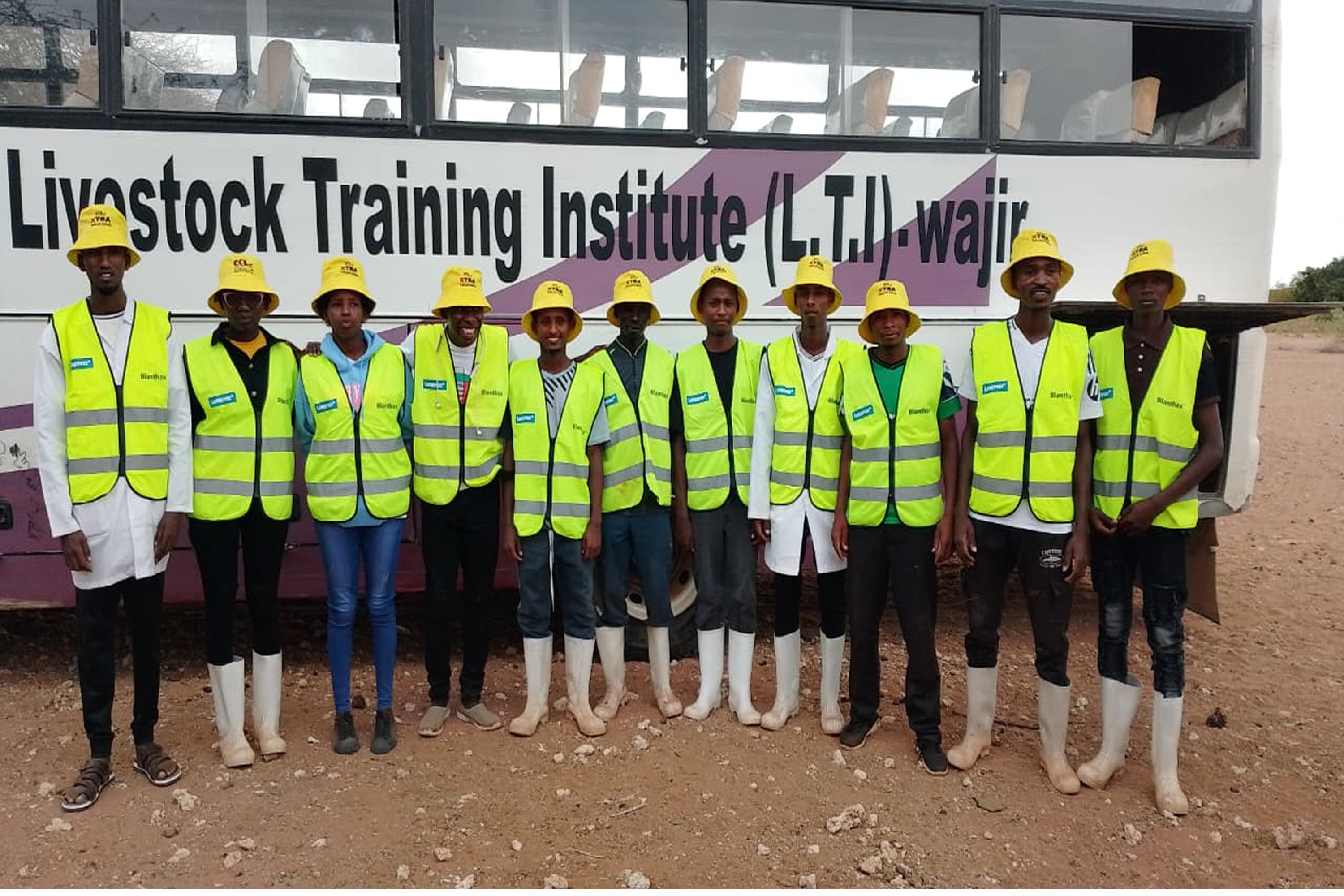
LTI Wajir provides reliable bus transportation for students traveling to and from the institute, as well as for field visits to pastoral communities, rangelands, and livestock farms for practical training.
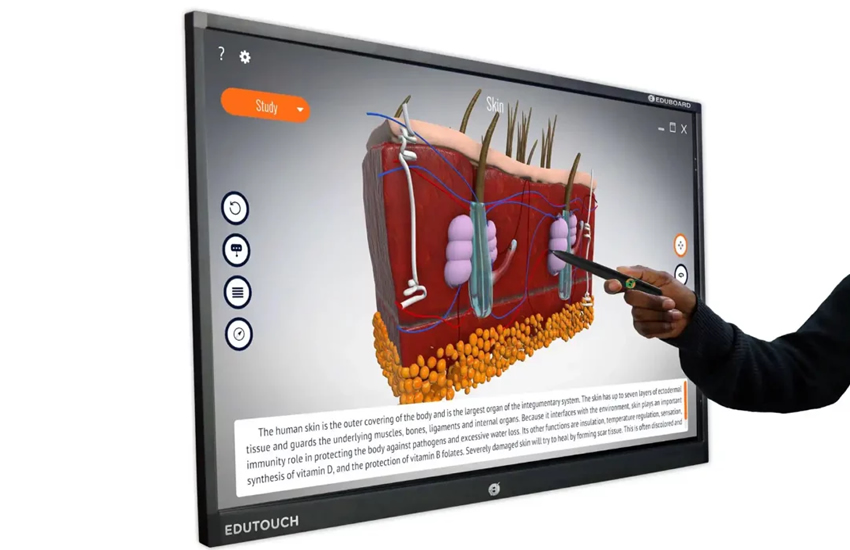
LTI Wajir is equipped with modern, air-conditioned smart classrooms that enhance the delivery of Animal Health and Range Management courses through digital learning tools and visual aids.
Our smart classrooms support blended learning, combining traditional teaching with modern technology. This prepares our students for real-world challenges in Animal Health, Range Management and livestock value addition.
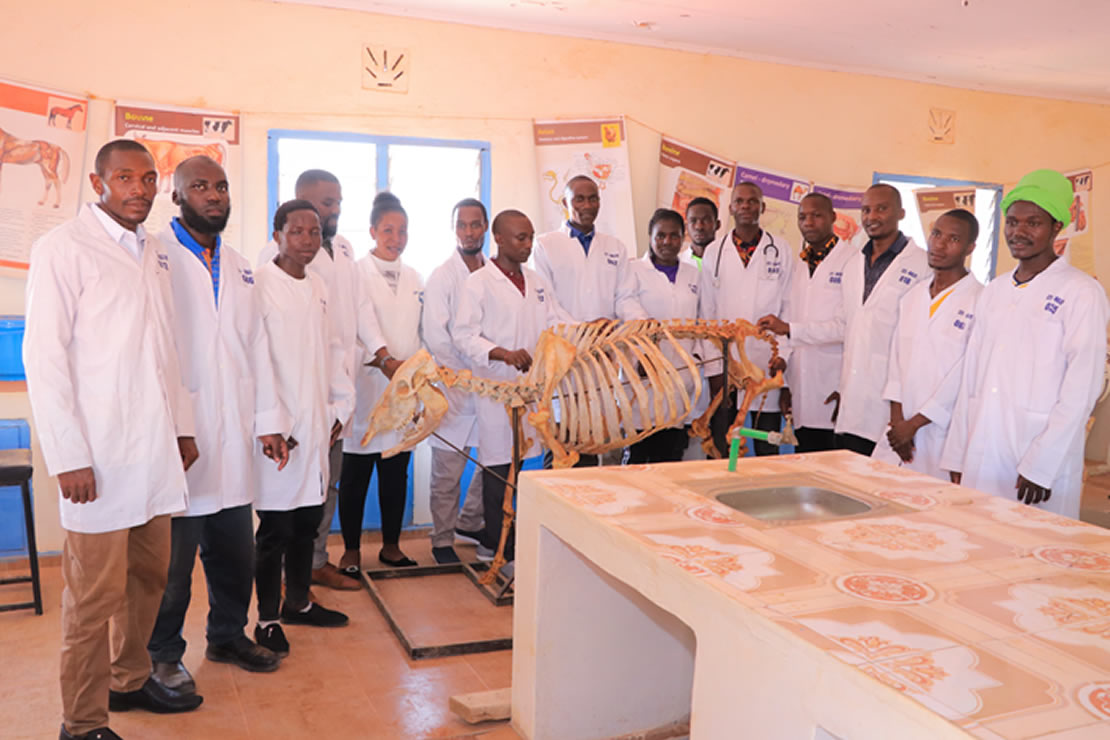
LTI Wajir has well-equipped laboratories for practical training in Animal Health, Veterinary Science and Range Management. Students gain hands-on experience essential for serving pastoral communities.
Our veterinary laboratory allows students to examine blood samples, identify parasites, diagnose common livestock diseases and practice basic clinical procedures. This practical exposure prepares graduates for real-world animal health challenges.
In addition, our range management laboratory provides resources for soil analysis, plant identification, pasture quality assessment and water testing. These skills are critical for sustainable rangeland management in arid and semi-arid lands.

LTI Wajir maintains a well-stocked library with textbooks, reference materials, and research resources for Animal Health, Range Management, Leather Technology and Environment and Disaster Management courses.
Library benefits include:
Our library serves as a quiet reading and research space for students and staff. We continuously update our collection to support middle-level training and collaborative research in livestock development and pastoral livelihoods.